- No products in the cart.


Middle East conflict pushes building materials inflation close to 3-year high
July 31, 2026
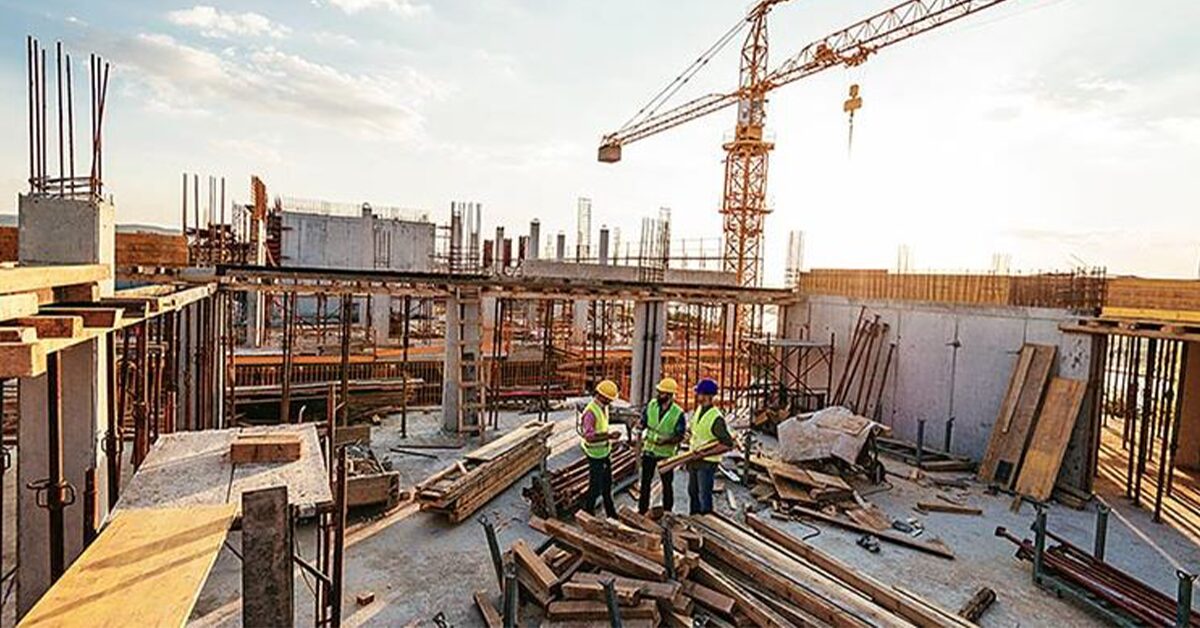
Today’s ABS Producer Price Indexes data shows building materials rose by 3.8 per cent over the year to June 2026. Over this period:
- Cement products were up by 4.9 per cent
- Electrical equipment jumped by 12.1 per cent
- Steel costs declined by 1.2 per cent.
Master Builders Australia Chief Economist Shane Garrett said the figures demonstrate the impact that the Middle East conflict is having on the building and construction sector and reinforces the need for the Federal Government to address the underlying costs of building.
”The conflict in the Middle East has put additional costs pressures on our home building industry at a time when supply side pressures were already acute. Building materials costs surged by 2.1 per cent during the March 2026 quarter alone.
“We learned this week that the cost of purchasing a new home is rising at its fastest rate in three years. One of the key factors driving housing unaffordability is that the cost of building a home is now more than 50 per cent higher than it was before the pandemic,” Mr Garrett said.
Master Builders Australia CEO Denita Wawn said the sector needs a highly competitive market for building products and construction materials to help keep prices affordable and ensure adequate supply.
“If we are to build the homes, infrastructure and buildings Australia needs, we must have a reliable, affordable and resilient supply chain for construction materials.
“The lesson from this conflict is that Australia must invest in local manufacturing by reducing input costs such as electricity, transport and taxation, making it more affordable to manufacture products domestically.
“At the same time, we must not restrict the flow of high-quality, compliant building products and materials into the Australian market. Imported building products and materials play a vital role in maintaining competition and helping to keep costs down.
“These pressures show no signs of easing and could intensify as a result of the recent escalation in the Middle East conflict. History has shown the consequences of failing to act. We should implement these reforms now to strengthen supply chain resilience, reduce costs and better protect the industry from future global shocks,” Ms Wawn said.
Media contact: Dylan Hafey, Adviser, Media & Government Relations
0497 330 064 | dylan.hafey@masterbuilders.com.au