- No products in the cart.


Level the Site | Case Study
A career worth coming back to
Maddy Minney on discovering construction, finding work she loves and building a career alongside family life.
NameMaddy Minney
RoleQuantity Surveyor, WT
LocationPerth, WA
Maddy's path
- Age 16Joins her dad's painting business on Crown Towers, Perth
- Six years inMoves into estimating and tendering while expecting her first child
- Cadet at WTStarts two days a week while studying construction management
- Time awaySteps away after her second child, with the door left open
- TodayBack at WT as a Quantity Surveyor, on a nine-day fortnight
On site at Crown Towers in Perth, Maddy Minney remembers watching the pool pavilion take shape. Different trades were coming together, the work was changing every day, and she could see how many people had contributed to building something.She loved it.
Until then, construction had not been a career she pictured for herself. Twelve years later, she is a Quantity Surveyor at international project advisory firm WT in Perth, still drawn to learning about construction technology and the vast collaboration that occurs on projects. She enjoys sitting in design meetings and understanding how a project will take shape.
Her first job in her dad's painting business had introduced her to possibilities she had not known existed. Since then, her career has included site work, estimating, study, parenthood and time away from the industry. People who gave her opportunities, and an employer that welcomed her back, helped her continue doing work she enjoyed.
01
Discovering what construction could offer
Maddy grew up surrounded by tradespeople. Her dad, brother, uncles and cousins worked in trades, but the women she saw working were mainly hairdressers and teachers. Those were the careers she considered.
At 16, while she was struggling with school, her dad offered her a job in his painting business. He had secured the painting contract for Crown Towers and needed administrative support. Maddy began in the office before moving onto site.
That experience introduced her to a side of construction she had known little about. Contract administration, estimating and quantity surveying were professional pathways she had not understood or considered. Being on site gave her a chance to discover them through trade work itself. This experience was foundational for Maddy's development in cost management, allowing her to better understand first principle pricing methods, and the challenges associated with delivering the work.
Starting on a large site as a young woman could be intimidating. Maddy remembers getting food before the main break so she would not have to walk through a canteen full of men. She described the discomfort of being young and standing out, rather than an incident of mistreatment.
Having people to turn to helped. Her dad gave her time to learn.
She shadowed the operations manager, walked the site and attended subcontractor meetings, building her understanding of how trade work fitted together.
Maddy recognises that the family business gave her an opportunity others may not have. She also credits the men who mentored her along the way. Time to learn, someone to shadow and access to site meetings helped her understand the industry. Her dad was especially influential, encouraging her to step beyond her comfort zone. Maddy remembers him pushing her to have discussions relating to contract issues with the head contractor, and for her to develop a strong sense of ownership over her work.
02
Finding a way to keep learning
After about six years in the family business, Maddy was expecting her first child. During pregnancy, she moved into more office-based estimating and tendering, while her dad took over some of her site responsibilities. Maddy described how working in a trade business often meant you had to “wear different hats”, teaching her how to adapt.
She initially expected to become a stay-at-home mum. The hours, pressure and travel involved in her role were difficult to picture alongside caring for a baby. After her son was born, however, she found she wanted to keep learning and build on what she already knew.
She began studying construction management and contacted an industry connection at WT to ask about work experience. WT brought her on as a cadet. Starting two days a week, she gradually increased her days while studying and caring for her young family.
When she became pregnant with her second child, she had been offered a place in a women in leadership program. Maddy was excited, but worried her pregnancy might change things.
Her director reassured her that she could continue building her career and supported her wish to participate while on parental leave.
03
A return that took time
Returning to work after her second child was difficult. Maddy tried shorter days across five days, but a three-hour daily commute, childcare and school routines left little room to recover. Her husband was also working long hours and travelling extensively each day. Maddy described feeling overwhelmed and unsure how she could keep up with her responsibilities, both at work and at home.
She still loved construction. The challenge was finding a way to make work fit with everything else happening in her life.
When she spoke openly with her directors about how she was feeling, they listened and worked through different options with her, including more flexible working arrangements and time to consider what she needed. Ultimately, Maddy realised that, at that point in her life, stepping away was the right decision.
Importantly, the door remained open. She was encouraged to come back when the time was right.
For a time, Maddy did tendering work for her dad and later took a part-time contracts administration role close to home. When she felt ready to return to construction, she called WT. The opportunity to return was still there.
04
Making room for work and family
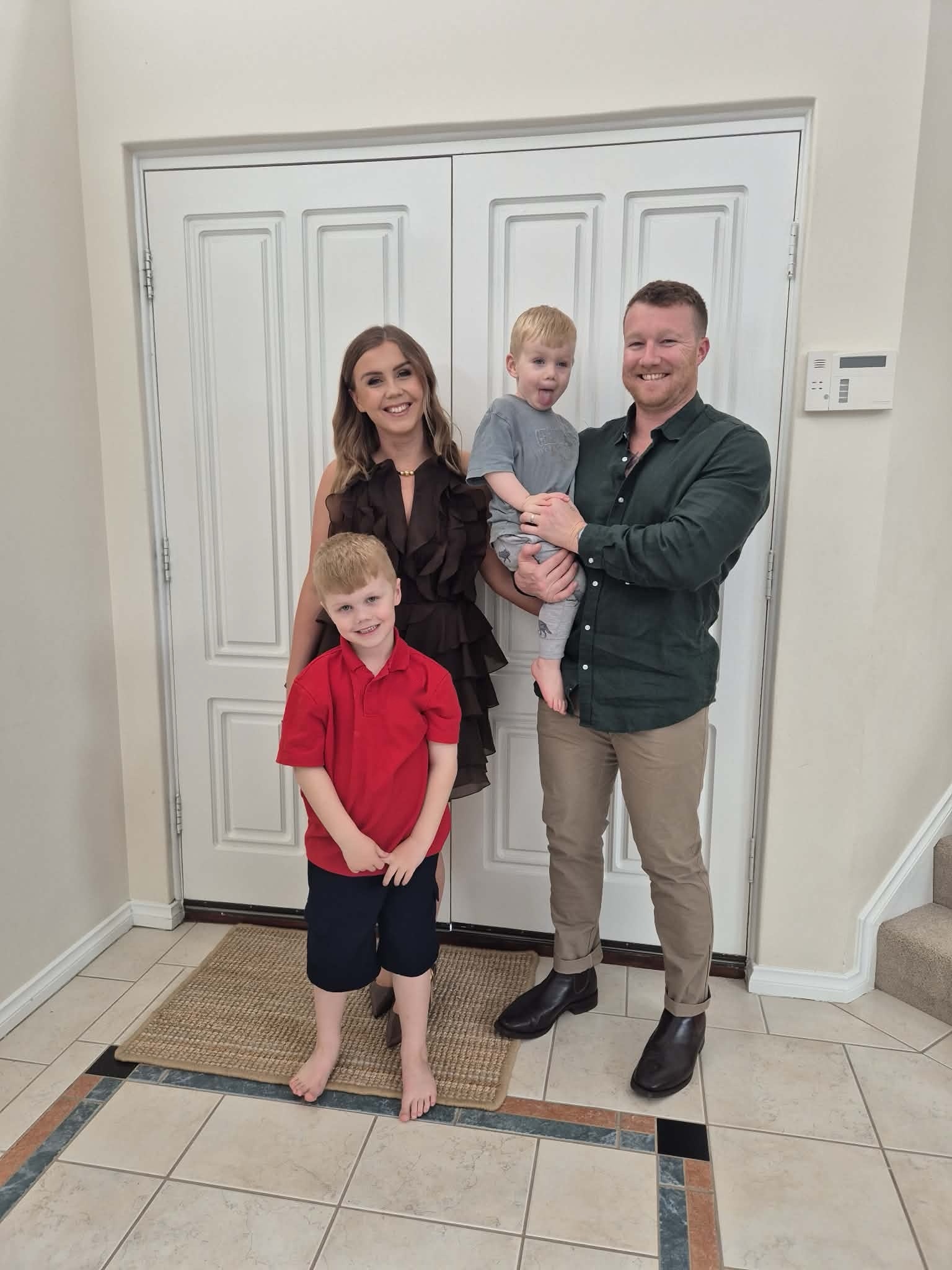
Maddy and her family moved closer to Perth, reducing the travel that had made her earlier return so difficult. She and her husband now both work a nine-day fortnight, arranging their days off so their younger son has a day at home with one of them each week.
The move has made a substantial difference. Sharing care is part of the arrangement too. Both parents' working lives matter when making a career sustainable alongside a young family.
Men have been part of Maddy's story throughout. Her dad gave her an entry point and time to learn, and she credits men who mentored her. She and her husband now share caring responsibilities through their working arrangements. These experiences suggest ways men and leaders can contribute to cultural and structural change: share knowledge, support career development through parenthood and make flexibility possible for fathers too.
Maddy now wants to support other women finding their way through the industry, particularly those raising young children. She also sees value in practical help for smaller trade businesses without a dedicated HR team. After looking through the Level the Site resources, she felt they could be useful for those businesses.
For someone considering construction, Maddy's story offers a view of the professional pathways they might not yet know about, and the enjoyment of understanding how a building comes together. For employers, it shows how everyday decisions about learning, development and working arrangements can help people build a career they want to continue.
What employers and leaders can take from Maddy's story
Open up pathways
Employers and supervisors could offer new starters similar opportunities, to help build context of a construction site, explore different career paths and develop industry relationships.
Back careers through parenthood
For leaders, that is a practical lesson: discuss what someone wants to pursue during parenthood and keep development opportunities open.
Fix systems, not women
Her experience shows why Level the Site focuses on fixing systems, not women. Maddy wanted to keep learning and working in construction. The pressures involved working hours, travel and caring arrangements. For employers, her story suggests looking at how the whole working day fits together and reviewing arrangements when they become unsustainable. The flexibility offered did not prevent her departure, but the invitation to return gave her a way back.
Asked what she would tell her 16-year-old self, Maddy's answer was simple:
You're way more capable than you think.
Maddy Minney, Quantity Surveyor, WT
Make your workplace work for everyone
Practical Level the Site tools for employers and smaller trade businesses, including those without a dedicated HR team.