- No products in the cart.


Level the Site | Case Study
A career in construction with room for family
From drawing house plans to supervising builds and leading teams, Stephanie Cummins has found work she loves. Making it fit around family has taken a little more figuring out.
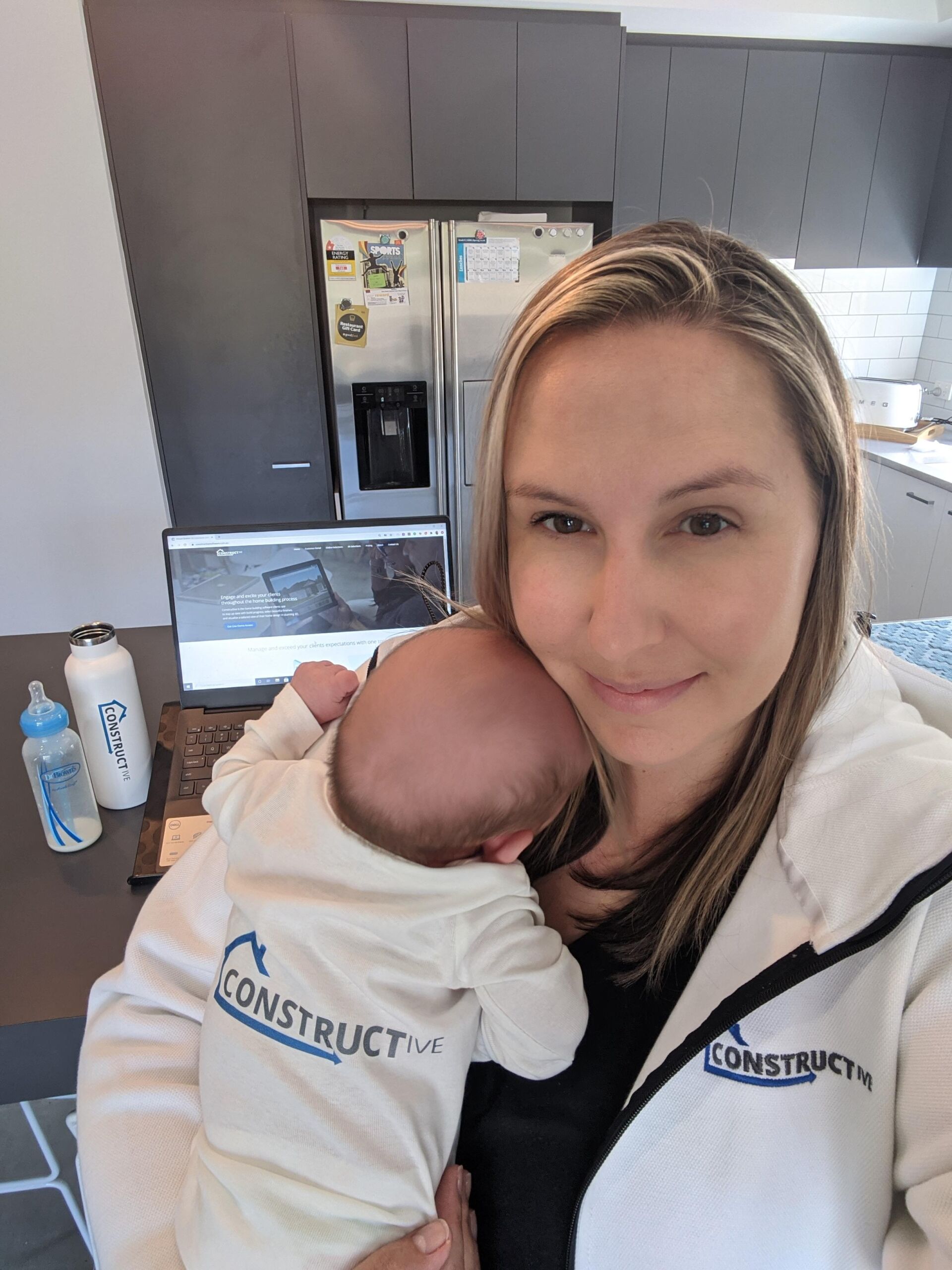
“You are absolutely allowed to be ambitious and have a family.”
Stephanie Cummins
Stephanie Cummins started her working life drawing house plans in her brother’s garage. Since then, she has supervised builds, worked with clients and managed teams.
Finding work she enjoyed was rarely the problem. Finding work that fitted around a young family was sometimes much harder.
Some managers gave her a chance to try something new. Others made it easier to keep working as her family grew. She also had experiences she would not want her own team to go through.
Finding her way into construction
Her brother, a draftsperson, encouraged her interest in building while she was still at school. She initially enrolled in a double degree in architecture and construction management, but realised the seven-year course was not for her. She returned to Melbourne, moved into drafting study and went to work for him.
It was a small business, and she had plenty to learn. As her brother spent more time out doing inspections, Stephanie was often left to work things out herself, learning AutoCAD and preparing plans for multi-unit developments.
After about two years, she joined AV Jennings. She enjoyed the systems and processes, but also liked being around people. A sales manager noticed and encouraged her to apply for a new role coordinating house and land packages.
It was a job she had never heard of. It brought together her drafting knowledge, relationships with developers, marketing and reporting. She loved it, and still remembers the manager who saw something in her beyond the job she had been hired to do.
Asking for a chance on site
Later, at Metricon, Stephanie was working as a building coordinator when she decided to move to Perth. She gave notice, but after several others in her team also resigned, the business asked her to stay. She knew the projects, the clients and where everything was up to.
She agreed to stay, but wanted a change. She asked to become a building supervisor, and was given the opportunity.
Stephanie is clear about what she brought to the role. She was organised, knew the computer systems and communicated well. She did not pretend to have the skills of a bricklayer or tiler. She respected their knowledge, understood the quality required and worked with them to get the job done.
She also knew the business would back her if someone treated her inappropriately. That gave her confidence to take on the role.
When she became pregnant, being on site felt different. She had spent years feeling she belonged, and suddenly felt more conscious of standing out. Metricon gave her the option of staying on site or moving into the office. What she missed was having other women around who had been through it before, and reassurance that it was okay to be different.
Wanting to work and finding a way
During maternity leave, Stephanie made the move to Perth. When she was ready to return to work, part-time opportunities that used her experience were difficult to find.
She accepted a three-day-a-week accounts assistant job with a builder. On her first day, a project manager heard about her background and asked her to work with him in contract administration instead. It was much closer to what she wanted to do.
But the arrangement was difficult when her child was sick and she needed time away. She recalls being criticised for her absences rather than having a conversation about what would help make the job work.
At one point, Stephanie was offered a team leader role on the understanding she would soon move to full-time hours. Her circumstances changed before she started, so she made the difficult call to turn it down. A year later, when the opportunity came up again, she was ready, applied and was successful.
That experience influenced how she first managed other people. She had been shown that leaders needed to work full time, so she initially expected the same of her team. She has since changed her mind. She knows people working part time can do good work, lead teams and progress, and she supports team members who are balancing work with other commitments.
A conversation she had been dreading
Years later, Stephanie found out she was pregnant just before starting a job at a small software business working with builders. She was worried her new employer would think she had known before accepting the role.
After her first month, she asked for a performance review. She wanted honest feedback on her work before sharing the news. At the end of the meeting, she told her manager she was pregnant.
He was thrilled for her. The following day, he took her aside again to acknowledge how stressful the conversation had been and reassure her that she did not need to feel that way.
Looking back, Stephanie says that support taught her something she has carried into her own management: “You are absolutely allowed to be ambitious and have a family.”
Her manager made it clear that she was not expected to work during maternity leave or return early. Stephanie wanted to stay involved, especially while the small business was growing. She used her keeping in touch days to attend monthly team meetings and stay across how the business was progressing.
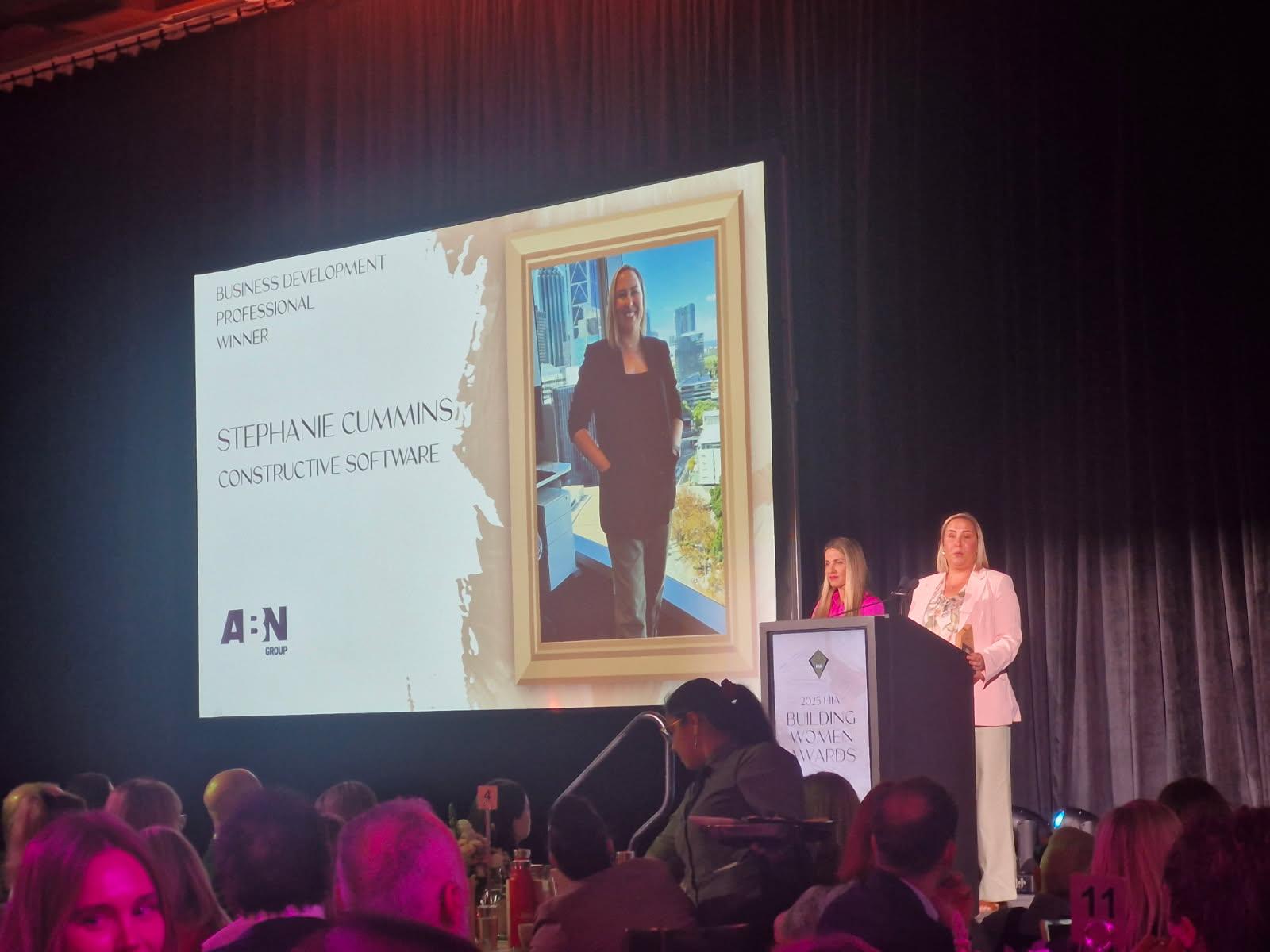
When she returned, they agreed she would take on the sales part of her previous role, working part time. The arrangement gave her the flexibility she needed to manage work and a young family. During her time in this role, she received the HIA WA Business Development Professional award. After returning to full-time work, she moved back into a management position within the business.
At the time of the interview, Stephanie was a Client Services Manager, leading a team that helps builders improve their workflows and customer experience through software. She still considers herself part of the building industry because of the impact her work has on it.
Making it work for her own team
Stephanie now manages people with young children and supports part-time arrangements and changes to working days. She knows how much those conversations can matter when someone wants to work but is unsure how they will manage it.
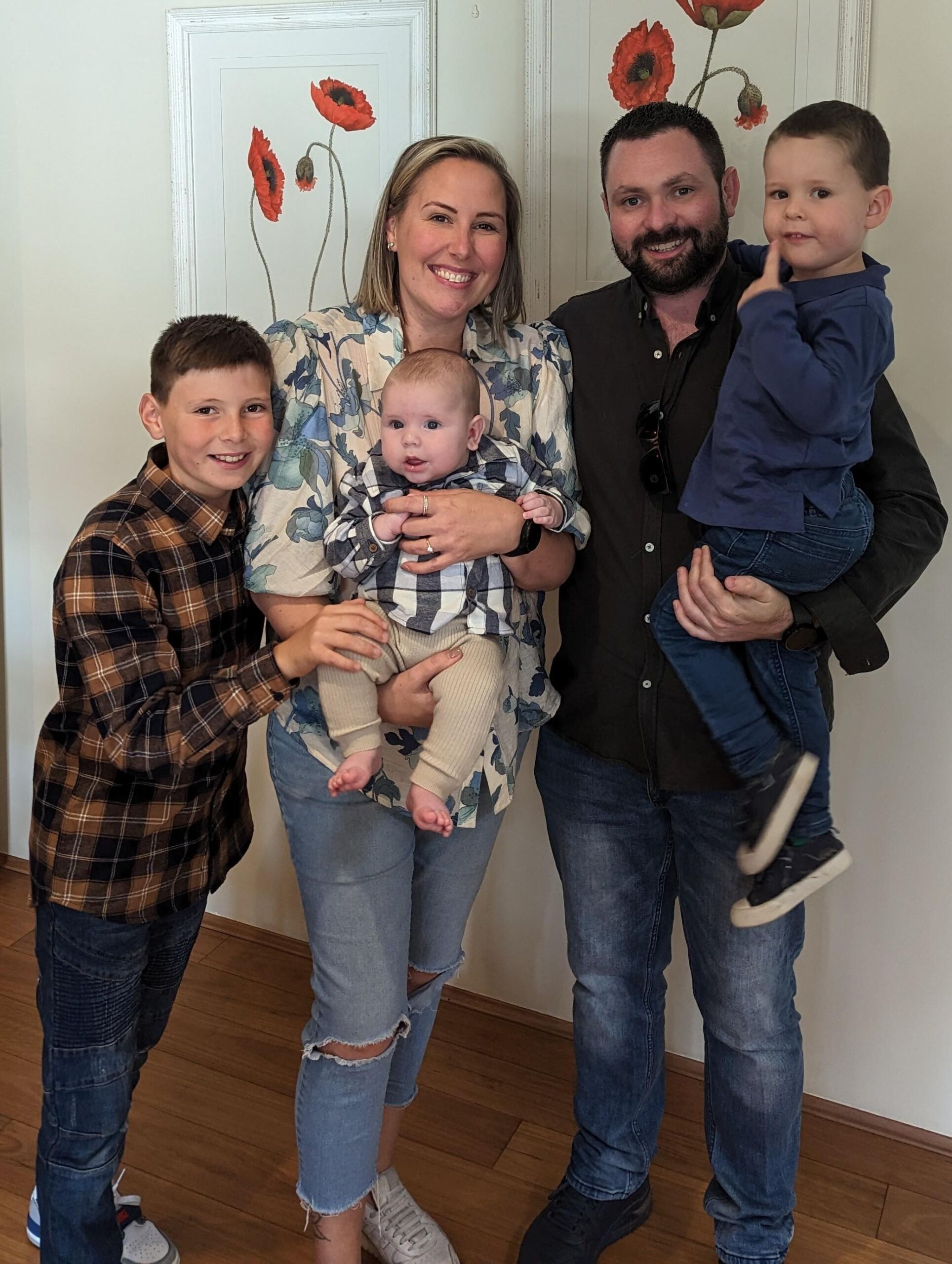
She also knows the same arrangement will not suit everyone. After having her third child, she found that working part time was harder for her than working full time. She wanted to return full time, and did. Having a choice mattered.
For Stephanie, flexibility also needs to be available to men, and to people without children. When only one person in a household can adjust their work, the responsibility tends to stay with them.
“When you’re the only one in the relationship that has flexibility, then it all falls on you still.”
Asked whether she would choose construction again, she does not hesitate: “Oh yeah, absolutely. I’m wedded to the industry.”
She could not have named her current job when she was starting out. Her advice to her younger self is to keep doing work she enjoys and stay open to opportunities as they come along.
What employers can take from Stephanie’s story
Recognise potential
A sales manager noticed Stephanie’s way with people and encouraged her to apply for a different role. Get to know what your people enjoy and what else they could bring to the business.
Keep progression open
Stephanie once believed leaders had to work full time. Her own experience changed that view. Before ruling someone out because of their hours, look at the responsibilities of the role and whether a different arrangement could work.
Make flexibility a shared option
When caring responsibilities make work difficult, start with a conversation about what would help. Revisit arrangements as things change, and make flexibility available to men and people without children too.