- No products in the cart.


Master Builders Transcript: Interview with James Glenday & Catherine Murphy, ABC News TV Breakfast
September 3, 2026
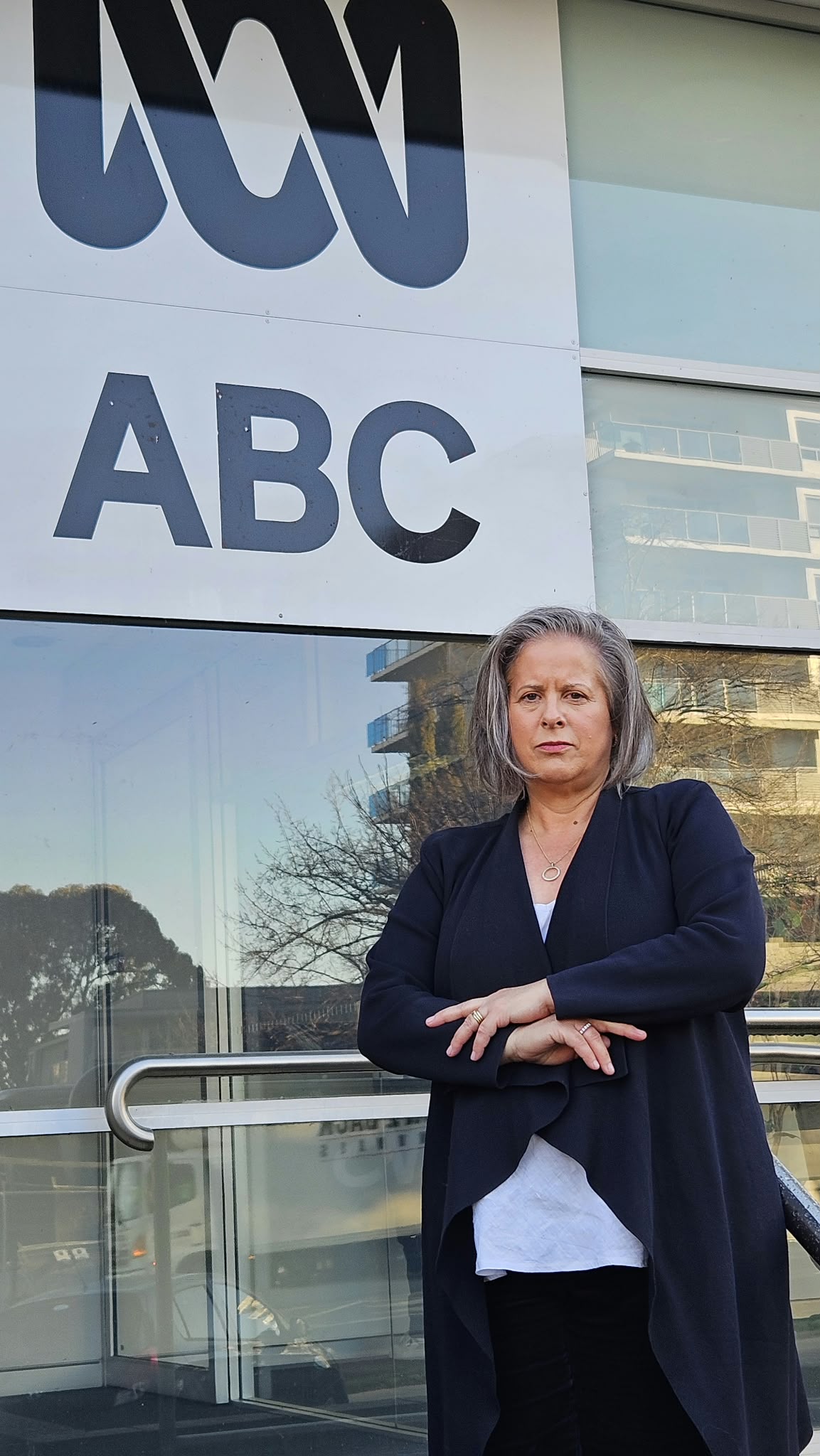
Event: Interview with James Glenday & Catherine Murphy, ABC News TV Breakfast
Date: 3 September 2026, 7.15am AEST
Speakers: Denita Wawn, Master Builders Australia CEO
Topics: Construction industry conditions, CGT, negative gearing, SMSF and trust changes, building approvals
E&OE
James Glenday, ABC News TV Breakfast host: Denita Wawn is the chief executive of Master Builders Australia, and she joins us now. Denita, good morning. Governments across the country have been saying for a long time now that their priority is supply, supply, supply. We need to build more homes. What are you hearing from your members about the current state of the building industry though?
Denita Wawn, Master Builders Australia CEO: Well, supply, unfortunately, James is going the wrong way, and that’s down, down, down. We’ve had a situation on which we were not meeting the Government’s own housing accord targets, and despite their promises, they’ve put ongoing policy pressures on the industry. That has meant that we are seeing a significant decline in investment in the industry, whether it is owner-occupier or by investors, and that was made worse with the Federal Budget, ongoing tax hikes, and that’s even before you were adding the trust changes that have been floated by the Government in the budget.
James Glenday, ABC News TV Breakfast host: Specifically, you’re referring to then the changes to negative gearing and capital gains tax, right?
Denita: That’s right. We’ve seen tax hikes as a consequence of the changes to negative gearing capital gains tax. We’ve also seen the restrictions on self-managed super funds; they can no longer borrow for investment on residential property and what that means is that we’ve had a decline in supply already. It’s been an immediate reaction in the market, not just by investors but also by owner-occupiers as well. As we face a range of factors, which meaning people are saying it’s too costly. Construction costs have gone up by 50 per cent in the last five years, and that has got worse since the federal budget.
James Glenday, ABC News TV Breakfast host: Just on that, we were going to speak to the Treasurer Jim Chalmers, hopefully in Brisbane tomorrow. He was saying, “Well, we’ve got to wait some time to see whether we are going to see a housing correction”, and he sort of has defended Treasury forecasts, but said that they might have been wrong. I’m curious as to your view: if we see a housing correction, if interest rates go up, what do you think that’s going to mean for the viability of new projects over the next couple of years?
Denita: James, the viability of projects are already in peril across the country simply because people are not willing to pay the costs that have inflated as a consequence of these developments, and that will get worse. Unfortunately, we forecast that as a consequence of the budget measures, and we’re concerned that that’s going to be even more so as we see declining improvements in the industry, particularly around labour supply, the cost of materials, and the cost of doing business because of delays. This is simply unacceptable and totally contrary to the commitments the Government made to us during the 2025 Federal Election.
James Glenday, ABC News TV Breakfast host: To the Treasurer tomorrow. I’m just curious when you see headlines about a major building company failing. Of course, lots of people think about what it means for families who might have invested in that those projects. But how far does the damage then spread through subcontractors, suppliers? What does it mean for the people who are actually doing the building?
Denita: Yes, unfortunately, you see a whole chain reaction through the industry when we see insolvencies, whether it’s by the developer or by the builder. The situation arises where people lose jobs; they are owed hundreds of thousands, if not millions, of dollars. So that is why it is so incredibly important that we have certainty and consistency in our industry for people to invest with a level of certainty that they will know that they will get the product that they have contracted to be able to achieve. So we are, of course, concerned about any insolvencies in the industry. Our focus at the moment at Master Builders Australia is to ensure that we get the right policy settings. And at the moment, the Federal Government is failing in that regard.
James Glenday, ABC News TV Breakfast host: Just before I let you go, do you have an idea of how many houses or how many dwellings we are going to be short of as a country over the next few years?
Denita: Well, James, we’ve forecast that we’re going to be short by over 200,000 when you look at the Accord figures. Our updated forecasts come out in about a month’s time, and we’re predicting that that figure is going to be higher. If we look at the building approvals, for example, for July, the approvals were around 17,000 for the month. We need 25,000 for the month to meet the targets we need, we need for housing Australians.
James Glenday, ABC News TV Breakfast host: Denita Wawn, thank you very much for joining us this morning.
Denita: Thank you.
Media contact: Dylan Hafey, Adviser, Media & Government Relations
0497 330 064 | dylan.hafey@masterbuilders.com.au