- No products in the cart.


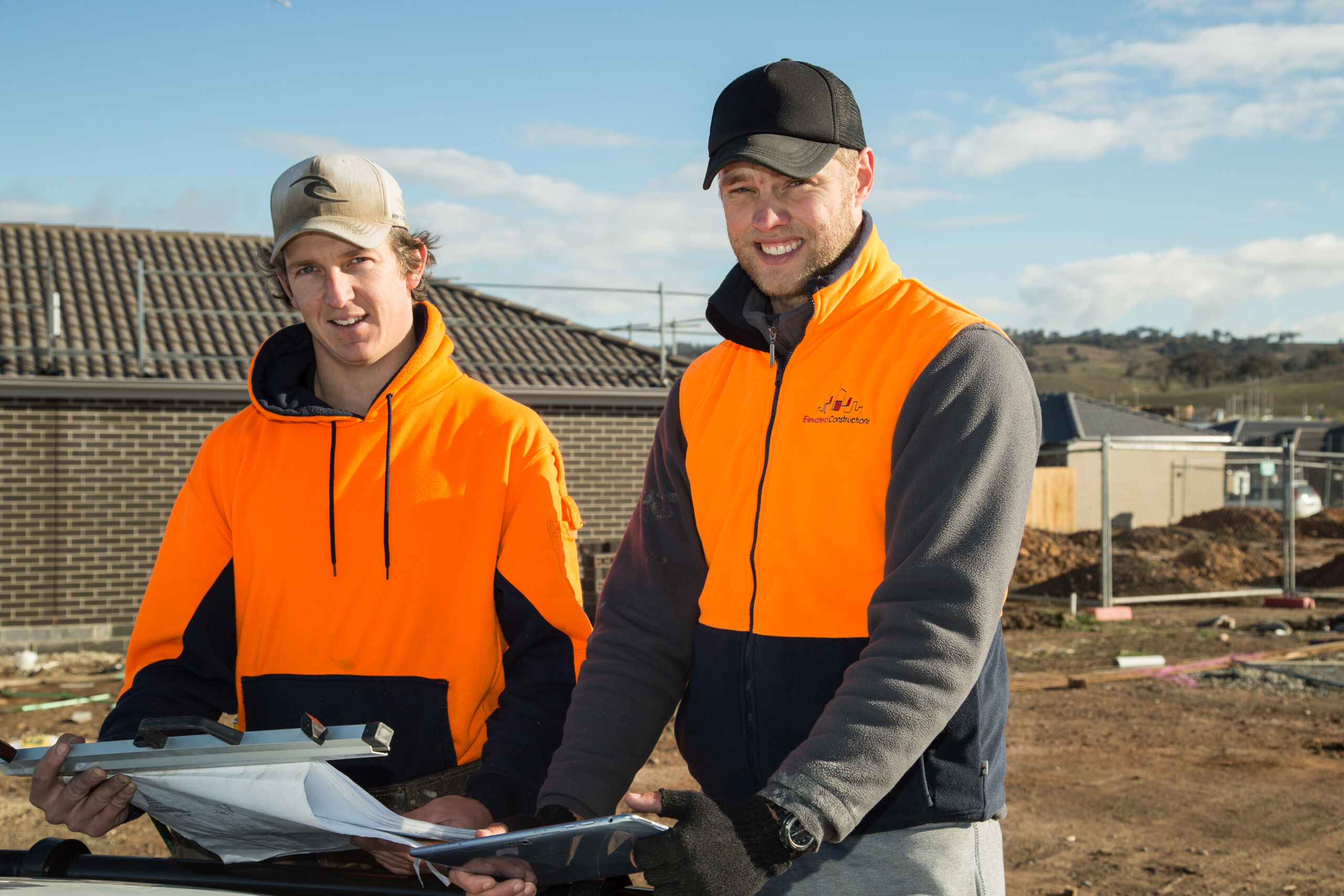
Event: Interview with Melissa Mackay, ABC News TV
Date: 1 January 2026, 1.30pm AEDT
Speakers: Denita Wawn, CEO Master Builders Australia
Topics: Apprentice incentives.
E&OE
Melissa Mackay, host ABC News TV: Well, the new year marks the roll out of a string of new legislation and guidelines coming into effect, and one of those changes is the introduction of new apprenticeship payments for both employers and apprentices. And to take us through the changes is Denita Wawn, the CEO of Master Builders Australia. Denita, Happy New Year to you. Thank you so much for making time for us today.
Denita Wawn, CEO Master Builders Australia: Absolute pleasure and Happy New Year to you and all your viewers.
Host: I want to start with the new payments that are designed to encourage employers to bring on apprentices. Just take us through who’s eligible for this, I believe it’s a $5,000 incentive.
Denita: Yes, we have the Key Apprentice Program that enables apprentices in certain key cohorts that are needed in our country to ensure that we’re getting ample apprentices through the system. And this is to support both employees as well as the employers and their apprentice journey. For us at Master Builders, the focus has been very much heavily on the fact we’ve got a 95,000 odd shortage of trades as we tackle the housing crisis alone. That doesn’t include any civil or commercial works and so we need to attract more people into our industry, and we know incentives for both employers and employees is a critical component of getting more people on the ground.
Host: So, this is limited to the KAP occupations. Can you take us through what those are?
Denita: Yeah, so that is effectively anyone that is predominantly working in the residential building industry as well as anyone in electrical trades. We know, as we electrify the country, we need a significant number of people with electrical skills, particularly around electrical infrastructure, but for also this issue around residential building. We have to build around about 255,000 old homes a year for the next four years to meet the 1.2 million homes under the Housing Accord set by the federal government and supported by state and territory governments. To do that, we know that we’re about 115,000 workers short, 95,000 of those are trades. There are 40 trades that work on our homes in any one given point in time to complete them. And so, it’s a great time, as students have just finished school, to really consider undertaking an apprenticeship in other residential or electrical areas.
Host: And so, do you believe that these changes will have a genuine impact on the workforce and ultimately the housing shortage?
Denita: We certainly think it’s going to help but we also acknowledge and the Productivity Commission identified this just before Christmas, that more needs to be done around training for apprenticeships, getting more people into building and construction apprentices. That means more flexibility, greater support for the industry generally, where we’re doing more work through our Build Skills Australia, which is a joint government industry and union group that is focusing on improving flexibility and ease of access in terms of training, but we’ve also got to ensure that whoever does an apprenticeship, they’re doing so safely, securely and enabling them to really to undertake fulfilling careers in our sector. There is going to be a lot of work in decades to come, so it’s a great opportunity that we’re encouraging young school leavers in particular to consider over their summer break.
Host: Some of the payments, the training support payments and priority hiring incentive will be halved. What sort of an impact do you expect that that will have?
Denita: We’re not too concerned about that, but we are cognisant of the fact that the government has made a decision to retain the higher incentive payments for the building and construction industry and not other sectors. And so, the question will be whether or not our supply chains that also rely on people with trade qualified skills are going to be impacted in the medium term. The jury is still out on that. We also still believe that if we’re going to really secure a larger number of apprentices in our industry, that more needs to be done on group training, organisations, the nonprofit ones, who have much higher retention and completion rates than people undertaking a general apprenticeship. So, more needs to be done, but we applauded the federal government at the time in ensuring that we do have these higher incentive payments for both employers and employees through the residential building and electrification. They are critical components for our country in ensuring that we build more homes and to ensure that we have the requisite infrastructure in place as we electrify the country.
Host: Alright Denita Wawn from Master Builders Australia. Thank you very much for your time today.
Denita: Thank you.
Media contact: Dylan Hafey, Media Advisor
0497 330 064 | dylan.hafey@masterbuilders.com.au